8 Oct 2026
Swedish Player Adaptations to Bonus Structures in Regulated Hybrid Poker Tournaments
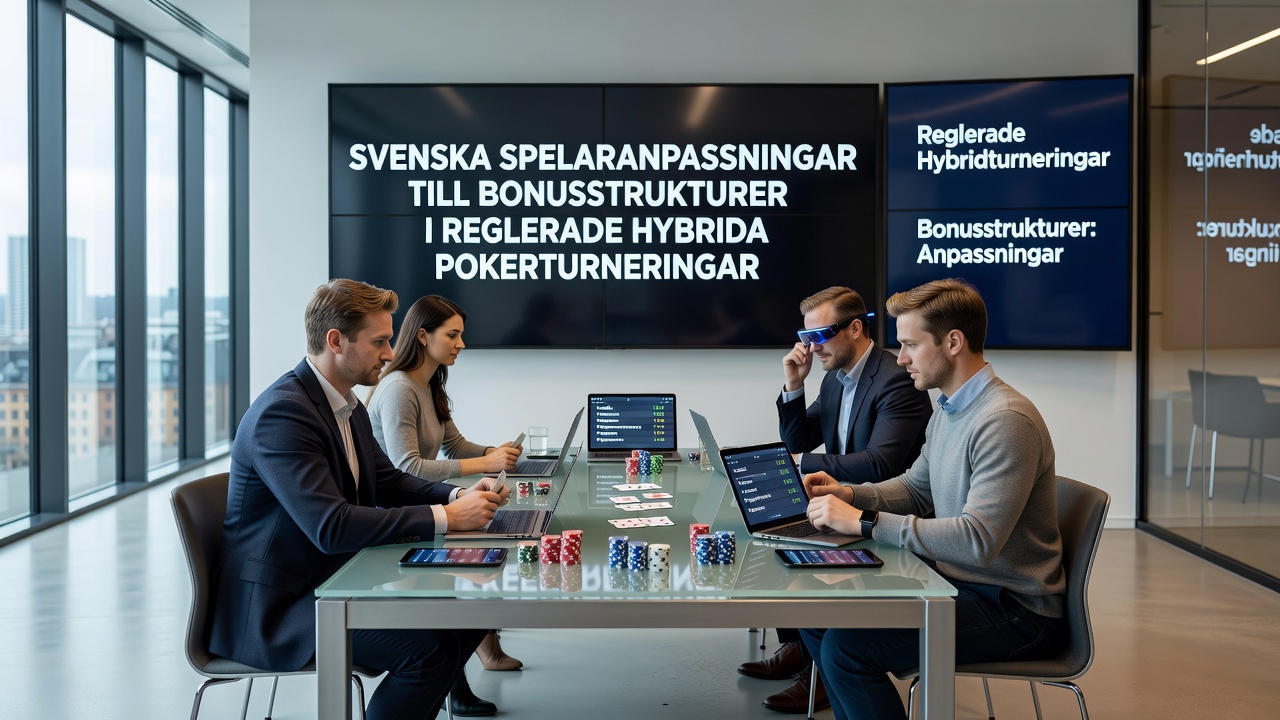
Hybrid poker tournaments combine online qualifiers with live final tables, and Swedish regulations shape how operators structure bonuses around these events. Players adjust their participation patterns based on wagering requirements, deposit match percentages, and time-limited promotions that align with Spelinspektionen licensing rules. Data from industry tracking services shows participation rates in regulated hybrids rising steadily through 2025, with October 2026 marking the rollout of updated bonus disclosure standards that require clearer display of contribution rates toward playthrough targets.
Regulatory Framework Governing Bonuses
Swedish law caps bonus values and mandates that operators separate bonus funds from main balances until wagering completes. This separation forces players to track multiple ledgers during multi-stage hybrids, where online satellites feed into physical venues. Observers note that the framework draws from broader EU consumer protection directives while maintaining national oversight through the Spelinspektionen portal, which publishes quarterly compliance summaries. Those summaries indicate that hybrid events must list bonus contribution percentages for each game type, reducing ambiguity for participants who move between formats.
Common Bonus Types in Hybrid Events
Operators offer entry-fee rebates, satellite ticket bundles, and leaderboard rewards tied to both online volume and live attendance. Entry-fee rebates return a percentage of the buy-in after a set number of hands or tournament cashes, while satellite bundles provide discounted paths into larger live brackets. Leaderboard rewards accumulate points across phases, with the final payout scaled according to overall field size. Research from the Canadian Centre for Gaming Research indicates that similar structures in other jurisdictions produce measurable shifts in player entry timing, and Swedish data mirrors those patterns.
Observed Player Adjustments
Participants time deposits to coincide with promotional windows that reset weekly, allowing them to maximize match percentages before entering online qualifiers. Bankroll allocation changes as well, with players reserving portions of their balance exclusively for bonus playthrough while keeping separate funds for live travel and accommodation. One documented case involved a cohort that shifted from high-stakes satellites to mid-tier events after operators adjusted bonus contribution rates for certain fast-fold formats. This shift occurred because the new rates extended the required hands to clear bonuses, prompting recalibration of session lengths.

Bankroll and Schedule Management Techniques
Many players now segment their calendars around bonus expiry dates and live event schedules, creating overlapping windows where online volume clears requirements before travel. Spreadsheet tracking of bonus balances has become common, with columns for remaining wagering, estimated hands needed, and projected live arrival times. According to figures released by the Australian Institute of Criminology on gambling behavior, structured tracking correlates with steadier participation rates across multi-format events. Swedish tournament operators report similar stabilization in registration data after introducing mandatory bonus calculators within their platforms.
Impact of October 2026 Disclosure Rules
The upcoming October 2026 requirements will standardize how operators present bonus contribution tables for hybrid formats. Early compliance tests show that players spend less time contacting support for clarification and more time comparing events across licensed sites. This standardization also affects how satellite ticket bonuses factor into overall value calculations, since each ticket now carries an explicit playthrough multiplier. Industry reports from the European Gaming and Betting Association highlight that transparent tables reduce disputes and support sustained engagement in regulated markets.
Case Examples from Recent Seasons
In one 2025 series, a group of mid-stakes regulars adapted by pooling satellite entries under individual accounts to meet minimum deposit thresholds for group bonuses, then redistributed live seats through official transfer mechanisms. Another example involved players opting for shorter online phases to preserve energy for live days, accepting lower bonus percentages in exchange for better mental preparation. These patterns appear in anonymized operator datasets shared with academic researchers studying cross-border tournament flows.
Conclusion
Swedish players continue refining their approaches to bonus structures as hybrid tournaments evolve under current licensing conditions. Adjustments in deposit timing, fund segmentation, and schedule coordination reflect responses to regulatory details rather than external speculation. Continued publication of compliance data through 2026 will provide further reference points for how these adaptations develop across licensed platforms.